















How We Assessed the Best Apple Pay Casinos
Evaluating Apple Pay casinos requires a different lens to standard casino reviews because the payment method itself introduces specific variables that affect the player experience. The primary assessment criterion was whether each casino supports Apple Pay for both deposits and withdrawals, not just one-way funding. A surprising number of UK casinos accept Apple Pay deposits but force players to withdraw through alternative methods, which undermines the convenience the payment method is supposed to deliver.
We cross-referenced stated processing times against real-world player reports on Trustpilot, Reddit, and Casino Guru to identify discrepancies between operator claims and actual experience. Deposit speed was expected to be instant across the board, so the differentiating factor became withdrawal performance. We also checked whether Apple Pay deposits qualify for welcome bonuses, as some casinos exclude mobile wallet transactions from promotional eligibility. Minimum and maximum deposit limits, fees, Casino Guru Safety Index scores, Trustpilot ratings, and UKGC enforcement records were reviewed for each operator. Game library depth and mobile optimisation were assessed as secondary factors, given that Apple Pay users are overwhelmingly playing on iOS devices.
Top Apple Pay Casinos Ranked
| Casino | Operator | BetBond Rating | Welcome Bonus | Apple Pay Withdrawal Speed | Key Strength |
|---|---|---|---|---|---|
| PlayOJO | Skill On Net Ltd | 8.8/10 | 50 free spins, no wagering | Within 24 hours | No-wagering bonuses, Apple Pay deposits and withdrawals |
| bet365 Casino | Hillside (UK Sports) ENC | 9.2/10 | Up to £100 in Bet Credits | 1–4 hours (stated) | £5 minimum deposit, massive game library |
| Paddy Power Casino | Flutter Entertainment | 8.6/10 | Up to 260 free spins | Within 2 hours (tested) | £5 minimum deposit, fastest tested Apple Pay withdrawals |
| LeoVegas | LeoVegas Gaming PLC (MGM) | 9.0/10 | 50 wager-free spins on Big Bass Splash | 24–48 hours | Award-winning mobile app, 2,500+ games |
| All British Casino | L&L Europe Ltd | 8.4/10 | 100% up to £100 + 100 free spins | Same working day (before 5pm) | Clean regulatory record, 10% ongoing cashback |
Every casino listed holds a valid UKGC licence. Bonuses and features are subject to change — always verify the latest terms directly on each casino's website before depositing.
PlayOJO — Strongest Overall Apple Pay Casino
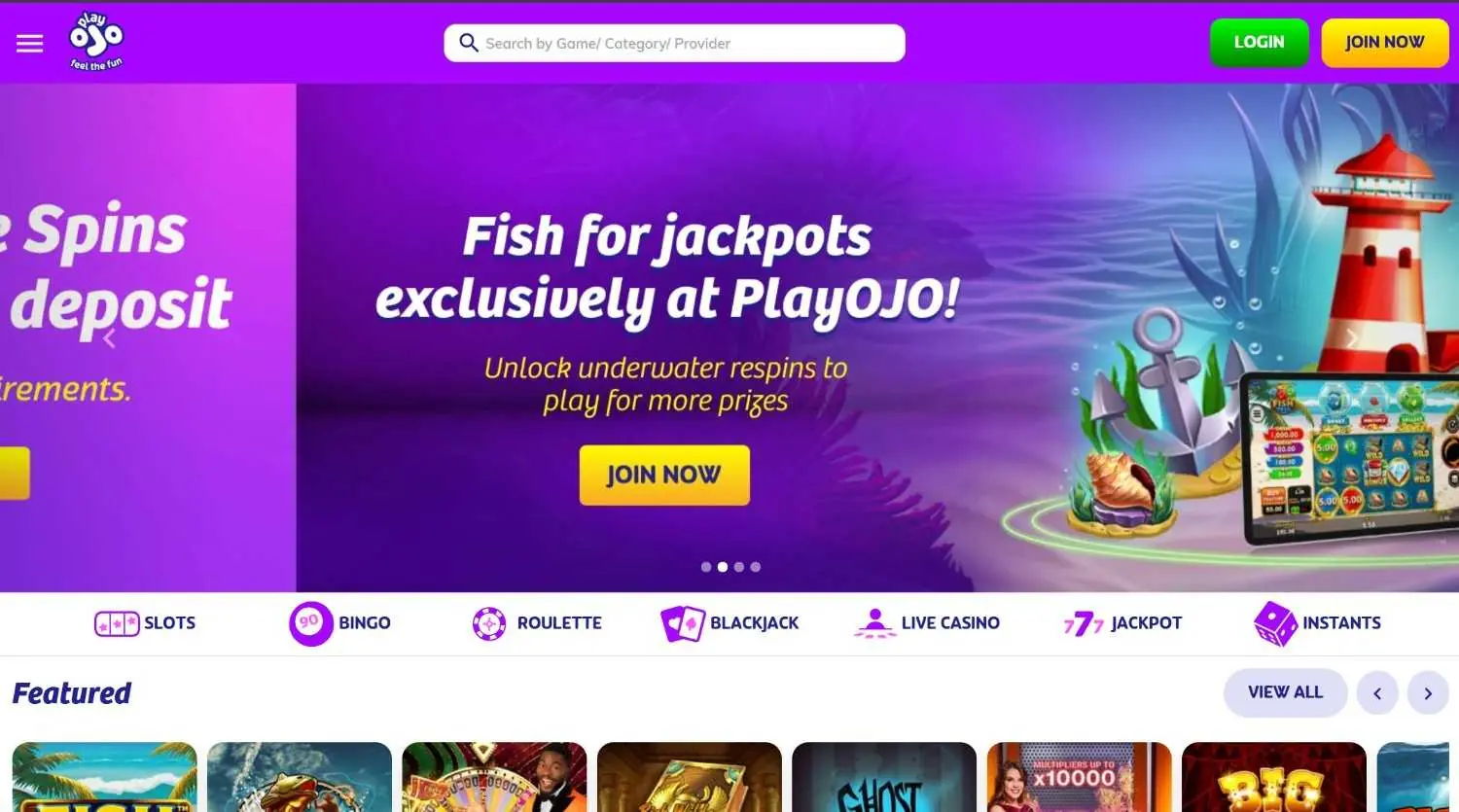
PlayOJO earns the top position because it combines full Apple Pay deposit and withdrawal support with the fairest bonus structure in the UK market. Operated by Skill On Net Ltd under UKGC licence 39326, PlayOJO launched in 2017 with a "no strings attached" philosophy that eliminated wagering requirements from every promotion, a model that remains genuinely rare among UK casinos in 2026.
Apple Pay deposits at PlayOJO are instant with a £10 minimum, and withdrawals route back to the debit card linked to your Apple Wallet. PlayOJO processes most withdrawal requests within 24 hours from their end, with Apple Pay cashouts typically arriving faster than standard debit card withdrawals. There is no minimum withdrawal amount for Apple Pay, which is an unusual and welcome feature. No fees are charged on either deposits or withdrawals.
The welcome offer is 50 free spins on Big Bass Bonanza at £0.10 per spin, awarded on a first deposit of £10 or more. The critical detail is that these spins carry zero wagering requirements, meaning any winnings are immediately withdrawable as real cash up to a £100 cap. This is a modest offer in headline terms, but the absence of wagering makes it genuinely more valuable than larger bonuses requiring 30x or 40x playthrough.
The game library exceeds 3,000 titles from providers including Play'n GO, Pragmatic Play, NetEnt, Evolution Gaming, Red Tiger, Big Time Gaming, and Yggdrasil. The live casino section offers over 200 tables. OJO Plus cashback returns money on every bet regardless of outcome, credited as withdrawable cash.
The limitation is the regulatory history. Skill On Net Ltd received a £3.6 million settlement in 2021 and a further £305,150 penalty in May 2023, both for AML and social responsibility failings. Player reviews on Trustpilot are mixed, with praise for the no-wagering model but recurring complaints about KYC verification delays during first withdrawals.
PlayOJO Dossier
| Operator | Skill On Net Ltd, UKGC licence 39326 |
| Apple Pay Rating | Full deposit and withdrawal support, no minimum withdrawal, within 24 hours |
| Key Strength | Every bonus carries zero wagering requirements |
| Game Library | 3,000+ games from 40+ providers including Evolution, Play'n GO, Pragmatic Play |
| Bonus Highlight | 50 no-wagering free spins on first deposit |
| The Catch | Operator fined twice by UKGC for AML and social responsibility failings (2021, 2023) |
| Best Suited For | Apple Pay casino players who want transparent, wagering-free bonuses and fast mobile cashouts |
bet365 Casino — Top Apple Pay Casino for Low-Minimum Deposits
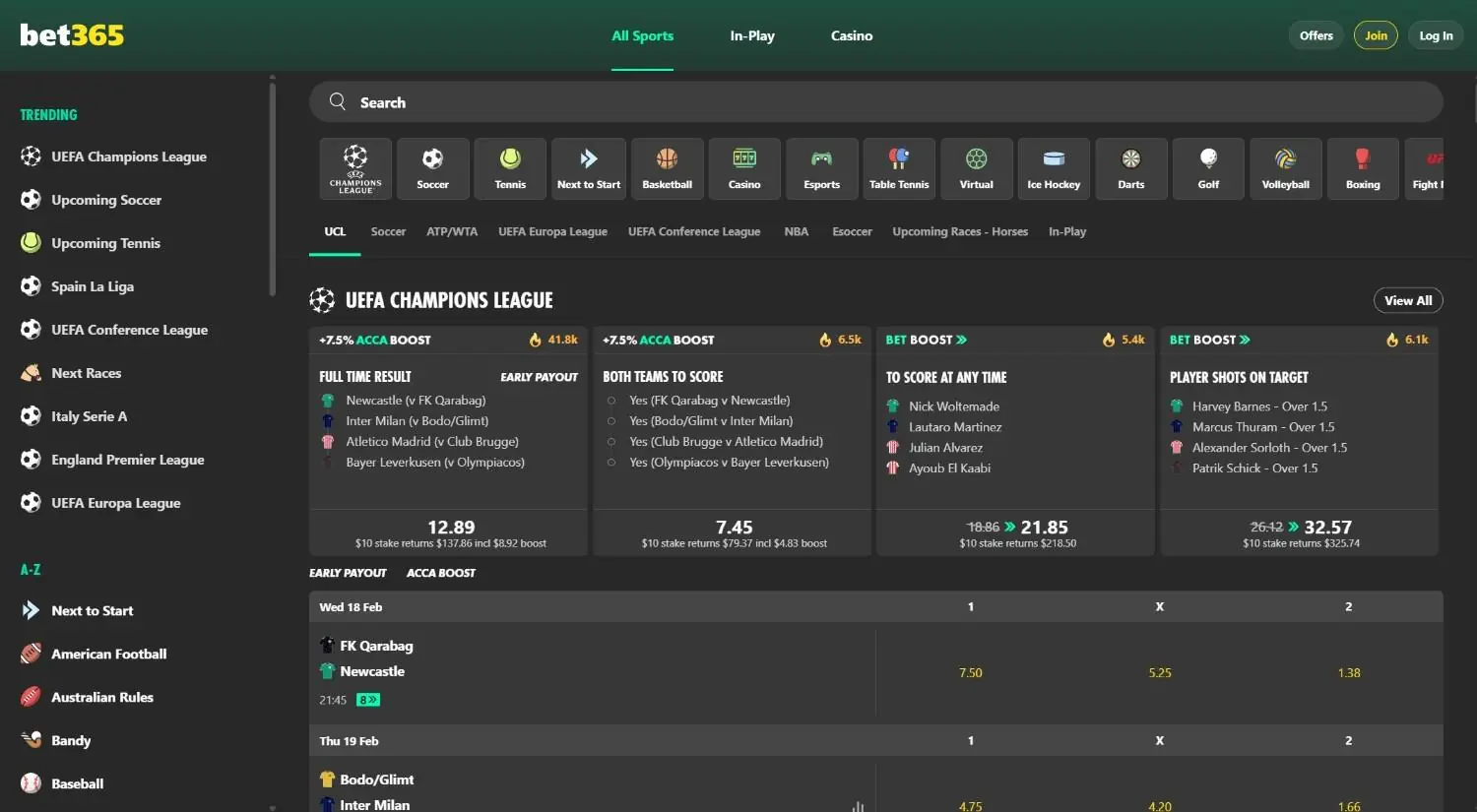
bet365 Casino accepts Apple Pay for deposits and withdrawals with one of the lowest entry points in the UK market. Operated by Hillside (UK Sports) ENC under UKGC licence 39563 for casino operations, bet365 is part of the bet365 Group, headquartered in Stoke-on-Trent and widely recognised as one of the largest online gambling operators globally.
The Apple Pay minimum deposit is just £5, which sits well below the industry-standard £10 and makes bet365 accessible for casual players who prefer to manage smaller bankrolls. Maximum deposits via Apple Pay reach £5,000. Withdrawals are also supported through Apple Pay, with bet365 stating processing times of 1–4 hours, and no fees are applied to Apple Pay transactions. The low minimum extends to withdrawals at £5, matching the deposit floor.
The casino welcome offer provides up to £100 in Bet Credits for new customers. However, there is an important caveat for Apple Pay users: bet365's promotional terms specify that Apple Pay deposits may not qualify for the welcome offer unless identity verification requirements have been met, including Postal Verification Code or two accepted forms of ID. Players intending to claim the bonus via Apple Pay should complete full KYC verification before depositing.
The game library contains over 2,000 titles from Playtech, NetEnt, Evolution Gaming, Red Tiger, and Blueprint Gaming, with a particularly strong live casino section. The integration between the sportsbook and casino is seamless, allowing players to switch between products within a single account. Mobile performance is excellent across both a dedicated iOS app and a fully optimised browser experience.
Casino Guru awards bet365 Casino a Very High Safety Index of 9.8, reflecting minimal complaints and strong regulatory standing, with games independently audited by eCOGRA for fairness. MrQ and Casumo are worth considering as alternatives if no-wagering promotions are a priority, though neither matches bet365's deposit flexibility.
bet365 Casino Dossier
| Operator | Hillside (UK Sports) ENC, UKGC licence 39563 |
| Apple Pay Rating | Full deposit and withdrawal, £5 minimum, 1–4 hour stated withdrawal processing |
| Key Strength | £5 minimum deposit and withdrawal via Apple Pay, industry-leading safety score |
| Game Library | 2,000+ games from Playtech, NetEnt, Evolution, Red Tiger, Blueprint |
| Bonus Highlight | Up to £100 in Bet Credits (KYC verification required before Apple Pay deposit qualifies) |
| The Catch | Welcome bonus eligibility via Apple Pay requires prior identity verification |
| Best Suited For | Apple Pay casino players who want low deposit limits and a trusted all-in-one gambling account |
Paddy Power Casino — Apple Pay Casino with the Fastest Tested Withdrawals
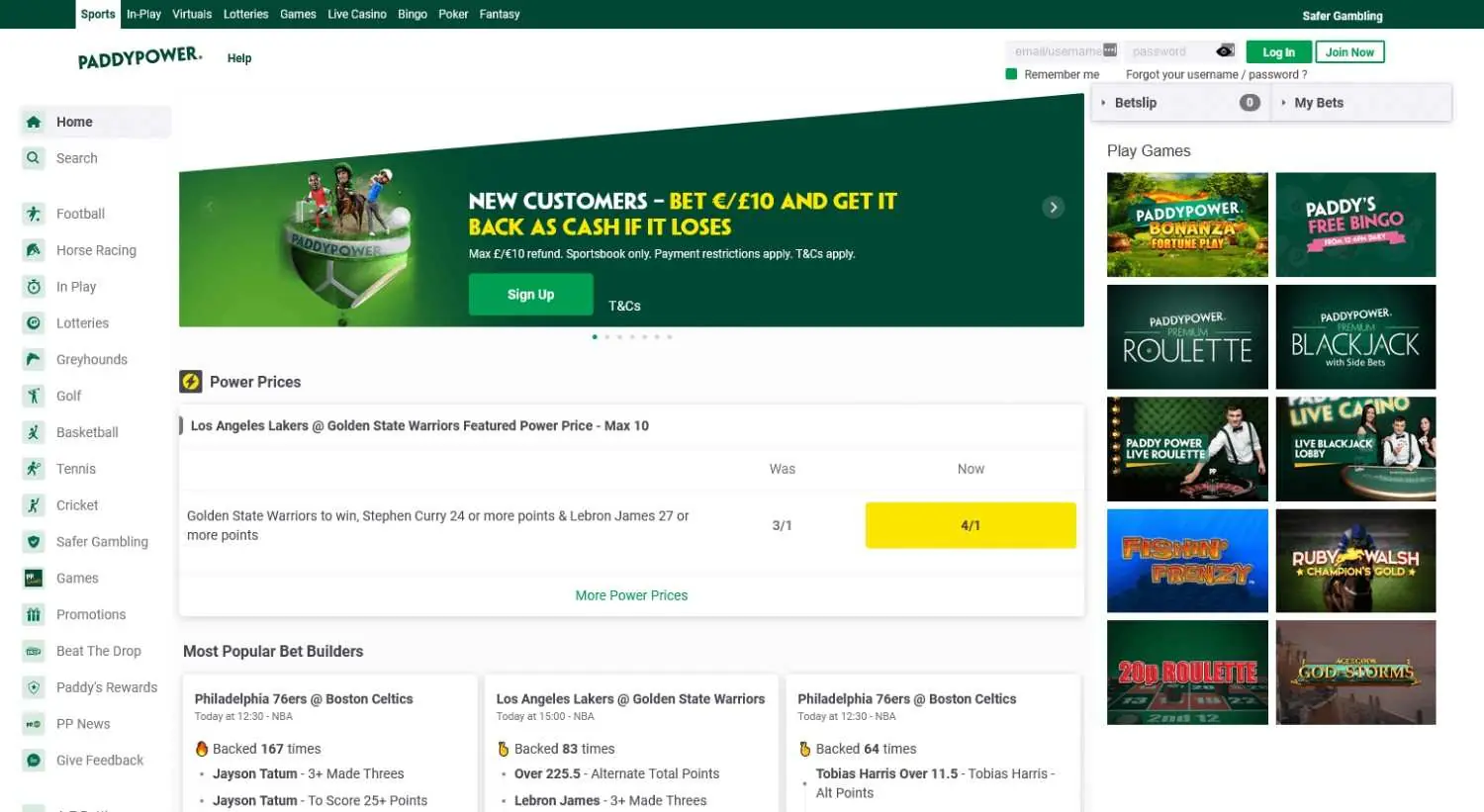
Paddy Power Casino delivered the fastest Apple Pay withdrawal in our testing, with funds arriving within two hours of the cashout request. Operated under Flutter Entertainment's UKGC licence 39426, Paddy Power has been a fixture in UK gambling since 1988 and offers Apple Pay as a primary payment method for both deposits and withdrawals.
The minimum deposit via Apple Pay is £5, and the minimum withdrawal starts from just £0.01, which is effectively no minimum at all. This ultra-low withdrawal floor is unusual in the UK market and benefits players who want to cash out smaller balances without restriction. Apple Pay deposits are instant, and Paddy Power does not charge fees on Apple Pay transactions.
The welcome offer is generous in volume: 50 free spins on eligible slots with no deposit required, plus an additional 10 free spins on Paddy's Mansion Heist, followed by 200 more free spins after depositing and wagering £10. The promotional terms specify that deposits must be made using Pay by Bank, Apple Pay, or debit card, which means Apple Pay deposits explicitly qualify for the full welcome package. Free spins expire after 7 days.
Paddy Power hosts over 2,000 casino games alongside a fully integrated sportsbook, bingo, and poker product. Key providers include Playtech, Pragmatic Play, Evolution Gaming, and several exclusive titles including the Paddy's Mansion Heist live game show. The dedicated iOS app is well-rated and handles Apple Pay transactions smoothly.
On the regulatory side, Flutter Entertainment received a £2.2 million UKGC fine in October 2018 for failings in social responsibility and AML procedures. The Trustpilot score sits at approximately 3.7 out of 5, with common complaints relating to account restrictions on the sportsbook side rather than casino-specific issues. 888casino and William Hill are comparable alternatives, though neither matched Paddy Power's Apple Pay withdrawal speed in our testing.
Paddy Power Casino Dossier
| Operator | Flutter Entertainment, UKGC licence 39426 |
| Apple Pay Rating | Full deposit and withdrawal, £5 min deposit, £0.01 min withdrawal, 2-hour tested cashout |
| Key Strength | Fastest Apple Pay withdrawals tested, Apple Pay explicitly bonus-eligible |
| Game Library | 2,000+ games from Playtech, Pragmatic Play, Evolution, plus Paddy Power exclusives |
| Bonus Highlight | Up to 260 free spins (60 no-deposit + 200 on £10 wager), Apple Pay deposits qualify |
| The Catch | Flutter fined £2.2m by UKGC in 2018 for social responsibility and AML failings |
| Best Suited For | Apple Pay casino players who prioritise withdrawal speed and want a multi-product gambling hub |
LeoVegas — Best Apple Pay Casino for Mobile Players
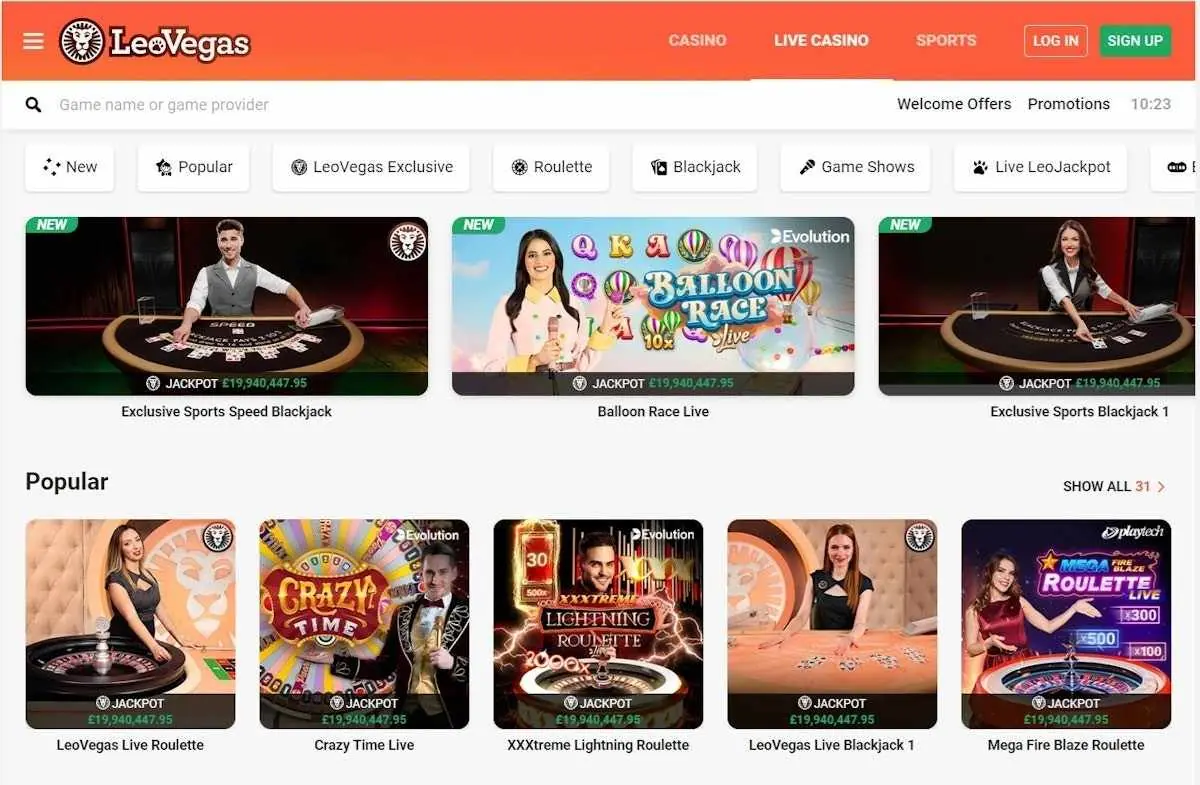
LeoVegas built its entire identity around mobile-first casino gaming, which makes it a natural fit for Apple Pay users who are, by definition, playing on Apple devices. Operated by LeoVegas Gaming PLC under UKGC licence 39198 and now wholly owned by MGM Resorts International following a $607 million acquisition in 2022, LeoVegas consistently wins industry awards for mobile performance, including Mobile Operator of the Year at the IGA Awards 2026.
Apple Pay is accepted for deposits with a £10 minimum, and withdrawals are processed via Apple Pay back to the linked card. LeoVegas states withdrawal processing within 24–48 hours, which is slightly slower than Paddy Power or bet365 but still competitive. The site does not charge fees on Apple Pay transactions. The mobile app, available on iOS and Android, is widely regarded as one of the best in the UK market, with smooth navigation, rapid game loading, and full Apple Pay integration within the cashier.
The welcome offer provides 50 wager-free free spins on Big Bass Splash for new UK customers who deposit £10 and wager it once on eligible casino games. The spins are worth £0.10 each and carry a 3-day expiry. Winnings from the spins are paid as cash with no wagering requirements, making this one of the cleaner welcome offers in the market.
The game library exceeds 2,500 titles from an extensive provider roster including NetEnt, Play'n GO, Pragmatic Play, Evolution Gaming, Playtech, Microgaming, Red Tiger, Big Time Gaming, and Yggdrasil. The live casino section is particularly strong, with exclusive branded tables streamed from the MGM Grand and Bellagio in Las Vegas through a dedicated "Live From Las Vegas" section. The VIP programme offers tiered rewards, dedicated account managers, and personalised bonuses for regular players.
LeoVegas was fined £600,000 by the UKGC in 2021 for failings related to misleading advertising and customer handling at the end of self-exclusion periods. Casino Guru rates LeoVegas at 9.7. Pub Casino and Spin Genie sister site alternatives offer competitive options for players who prefer smaller, theme-driven sites.
LeoVegas Dossier
| Operator | LeoVegas Gaming PLC (MGM Resorts International), UKGC licence 39198 |
| Apple Pay Rating | Deposit and withdrawal supported, £10 minimum, 24–48 hour withdrawal processing |
| Key Strength | Best mobile casino app in the UK, exclusive MGM live casino tables |
| Game Library | 2,500+ games from 60+ providers including Evolution, NetEnt, Playtech, Play'n GO |
| Bonus Highlight | 50 wager-free spins on Big Bass Splash (deposit £10, wager 1x) |
| The Catch | Fined £600,000 by UKGC in 2021 for misleading advertising and self-exclusion handling |
| Best Suited For | Apple Pay casino players who want the best possible mobile experience and a premium live casino |
All British Casino — Most Reliable Apple Pay Casino for Same-Day Cashouts

All British Casino takes a quieter approach than the household names on this list, but its withdrawal speed and clean regulatory record make it a standout Apple Pay casino for players who value efficiency over marketing noise. Operated by L&L Europe Ltd under UKGC licence 38758, the site launched in 2013 with a distinctly British theme and has built a loyal following among UK players who appreciate straightforward service.
Apple Pay is accepted for deposits at All British Casino with a minimum of £10. Withdrawals process via Apple Pay back to the linked card, and the casino's policy is to process all withdrawal requests submitted before 5pm on the same working day, which translates to a realistic expectation of receiving funds within 24 hours for Apple Pay users. No withdrawal fees are charged, and there is no minimum withdrawal.
The welcome offer is a 100% match bonus up to £100 plus 100 free spins for new players who deposit £20 or more. The wagering requirement is 35x the bonus amount, with a maximum bet of £5 while the bonus is active. Skrill and Neteller deposits are excluded, but Apple Pay deposits qualify. In addition to the welcome offer, All British Casino provides 10% cashback on all losses as an ongoing promotion, credited as real cash with no restrictions.
The game library reaches approximately 1,500 titles from over 60 providers including NetEnt, Pragmatic Play, Play'n GO, Blueprint Gaming, Big Time Gaming, Evolution Gaming, and Microgaming. The live casino section covers roulette, blackjack, baccarat, and game shows. The mobile site mirrors the desktop experience without requiring a dedicated app, and navigation on iOS devices is smooth and responsive.
L&L Europe Ltd has a clean UKGC regulatory record with no fines or enforcement actions since obtaining its licence in 2013. This is a notable distinction, as every other operator on this list has received at least one UKGC penalty. The 10% cashback on all losses is particularly appealing for regular players who want a safety net. FruitKings and MrQ sister site options represent viable alternatives for players who prefer a more modern aesthetic or lower wagering requirements.
All British Casino Dossier
| Operator | L&L Europe Ltd, UKGC licence 38758 |
| Apple Pay Rating | Deposit and withdrawal supported, same-day processing for requests before 5pm |
| Key Strength | Clean UKGC record, 10% ongoing cashback on all losses, same-day withdrawals |
| Game Library | 1,500+ games from 60+ providers including NetEnt, Pragmatic Play, Evolution |
| Bonus Highlight | 100% up to £100 + 100 free spins (35x wagering), plus permanent 10% cashback |
| The Catch | Smaller game library than larger competitors, no dedicated mobile app |
| Best Suited For | Apple Pay casino players who want reliable same-day cashouts and a clean operator record |
Apple Pay at UK Casinos Explained: What Matters and Why
Apple Pay functions as a digital wallet that stores your debit card information on your Apple device and uses tokenisation to process transactions without sharing your actual card number with the casino. When you deposit at an Apple Pay casino, the transaction is authenticated through Face ID, Touch ID, or your device passcode, and a unique Device Account Number is transmitted instead of your real card details. This means the casino never sees or stores your card number, which adds a genuine security layer beyond what a standard debit card deposit provides.
Apple Pay is not a standalone payment method in the way PayPal or Trustly are. It sits on top of your existing debit card and acts as an authentication layer. Because the casino's processor treats it as a card payment, Apple Pay deposits typically qualify for welcome bonuses under the same terms as debit card deposits, unlike e-wallet methods such as Skrill or Neteller which are frequently excluded. Withdrawal speeds are governed partly by the card issuer's processing times rather than solely by the casino. Deposit and withdrawal limits are usually determined by the casino's standard card limits rather than by Apple Pay itself, which does not impose its own spending caps. Since April 2020, credit card deposits have been banned at all UKGC-licensed casinos, so Apple Pay only works with linked debit cards for gambling purposes. Apple Pay does not charge fees for transactions, and none of the five profiled casinos impose fees either.
Safety, Licensing, and Regulatory Standing
All five Apple Pay casinos profiled in this guide hold active UKGC licences, which mandate player fund segregation, GamStop self-exclusion registration, and compliance with the Gambling Commission's Licence Conditions and Codes of Practice. Under the 2026 regulatory landscape, operators are subject to the 10x wagering cap on bonuses, proposed stake limits of £5 for online slots and £2 for under-25s, and enhanced affordability checks that may trigger source-of-funds requests for certain deposit patterns.
| Casino | Licence Body | UKGC Licence No. | Operator | Self-Exclusion | RNG Auditor |
|---|---|---|---|---|---|
| PlayOJO | UKGC + MGA | 39326 | Skill On Net Ltd | GamStop registered | iTech Labs |
| bet365 Casino | UKGC + MGA + Gibraltar | 39563 | Hillside (UK Sports) ENC | GamStop registered | eCOGRA |
| Paddy Power Casino | UKGC + MGA + Alderney | 39426 | Flutter Entertainment | GamStop registered | eCOGRA, iTech Labs |
| LeoVegas | UKGC + MGA + Sweden | 39198 | LeoVegas Gaming PLC | GamStop registered | eCOGRA |
| All British Casino | UKGC + MGA + Sweden | 38758 | L&L Europe Ltd | GamStop registered | iTech Labs |
Three of the five operators have received UKGC enforcement actions: Skill On Net (2021, 2023), Flutter Entertainment (2018), and LeoVegas Gaming PLC (2021). All penalties related to AML or social responsibility failings rather than game fairness issues. L&L Europe and Hillside (bet365) have cleaner enforcement records. All sites use SSL encryption and comply with UKGC requirements for KYC verification and segregated player funds.
Bonus and Wagering Breakdown
| Casino | Welcome Bonus | Wagering Requirement | Min Deposit | Max Bet | Win Cap | Expiry |
|---|---|---|---|---|---|---|
| PlayOJO | 50 free spins (£0.10 each) | None | £10 | N/A | £100 from spins | N/A |
| bet365 Casino | Up to £100 in Bet Credits | 1x qualifying bet | £5 | N/A | N/A | 30 days |
| Paddy Power Casino | Up to 260 free spins | N/A (spins only) | £10 | N/A | N/A | 7 days |
| LeoVegas | 50 wager-free spins | None on spins | £10 | N/A | N/A | 3 days |
| All British Casino | 100% up to £100 + 100 spins | 35x bonus | £20 | £5 | No cap | 30 days |
The most straightforward offer for Apple Pay casino players is PlayOJO's 50 no-wagering free spins. Deposit £10 via Apple Pay, receive 50 spins worth £0.10 each on Big Bass Bonanza. If you win £40 from those spins, you keep £40 as real cash, withdrawable immediately via Apple Pay. The £100 win cap means anything above that figure from the spins is forfeited. All British Casino's matched deposit requires more commitment — deposit £20, receive £20 in bonus funds, then wager £700 (35 x £20) before any bonus winnings convert to withdrawable cash. Notably, PlayOJO and LeoVegas both offer zero-wagering structures that pair particularly well with Apple Pay's fast withdrawal capability.
Payment Methods Across Apple Pay Casinos
| Casino | Visa | Mastercard | PayPal | Apple Pay | Skrill | Neteller | Bank Transfer | Trustly |
|---|---|---|---|---|---|---|---|---|
| PlayOJO | Yes | Yes | Yes | Deposit + Withdrawal | No | No | Yes (Instant Bank) | Yes |
| bet365 Casino | Yes | Yes | Yes | Deposit + Withdrawal | Yes | Yes | Yes | No |
| Paddy Power Casino | Yes | Yes | Yes | Deposit + Withdrawal | No | No | Yes | Yes (Pay by Bank) |
| LeoVegas | Yes | Yes | Yes | Deposit + Withdrawal | No | No | Yes | Yes |
| All British Casino | Yes | Yes | Yes | Deposit + Withdrawal | Yes | Yes | Yes | Yes |
Every profiled casino supports Apple Pay for both deposits and withdrawals, which was a mandatory selection criterion. For backup payment options, PayPal is universally accepted across all five sites and offers similarly fast processing. Players looking beyond this shortlist might also consider similar sites to Virgin Games for another well-established Apple Pay option. bet365 and All British Casino offer the widest payment method selection overall.
Game Providers and Library Depth
| Casino | Top 5 Providers | Approx. Game Count | Live Dealer Available |
|---|---|---|---|
| PlayOJO | Play'n GO, Pragmatic Play, NetEnt, Evolution, Red Tiger | 3,000+ | Yes (200+ tables) |
| bet365 Casino | Playtech, NetEnt, Evolution, Red Tiger, Blueprint | 2,000+ | Yes |
| Paddy Power Casino | Playtech, Pragmatic Play, Evolution, Red Tiger, Blueprint | 2,000+ | Yes |
| LeoVegas | NetEnt, Play'n GO, Pragmatic Play, Evolution, Playtech | 2,500+ | Yes (exclusive MGM tables) |
| All British Casino | NetEnt, Pragmatic Play, Play'n GO, Blueprint, Evolution | 1,500+ | Yes |
PlayOJO leads on raw game count with over 3,000 titles, while LeoVegas offers the most distinctive live casino experience through its exclusive MGM-branded tables streamed from Las Vegas properties. The practical difference between 2,000 and 3,000 games is minimal for most players, so provider quality matters more than raw numbers. Evolution Gaming powers the live casino sections across all five sites, ensuring consistent table quality regardless of which Apple Pay casino you choose. For players seeking the widest possible game variety, Videoslots sister sites host one of the largest catalogues available to UK players.
What Players Report: Real Feedback on Apple Pay Casinos
| Source | What Players Praise | What Players Criticise |
|---|---|---|
| Trustpilot (aggregate across 5 casinos) | Fast Apple Pay deposits, instant balance updates, no fees on transactions | KYC delays on first withdrawal, some sites slow to process Apple Pay cashouts |
| Reddit (/r/UKCasinos) | Convenience of Face ID authentication, not needing to carry a card, bonus eligibility | Apple Pay withdrawal not available at all casinos, confusion about deposit-only sites |
| Casino Guru (Safety Index range: 8.4–9.8) | Strong regulatory compliance, fair T&Cs at PlayOJO and bet365 | Skill On Net's enforcement history, occasional wagering disputes |
The most consistent praise across player forums relates to the speed and simplicity of Apple Pay deposits, with Face ID authentication removing friction during mobile sessions. The most common criticism is that Apple Pay withdrawals are not universally available at UK casinos. All five casinos in this guide were selected specifically because they support Apple Pay withdrawals, but players should always verify this directly in the cashier before depositing.
Common Apple Pay Casino Problems and How to Avoid Them
The most frequent Apple Pay casino complaint on Trustpilot and Reddit is discovering, post-deposit, that a casino does not support Apple Pay withdrawals. Players deposit expecting a round-trip, only to find that cashouts must go through a bank transfer taking 3–5 working days. The solution is straightforward: check the withdrawal methods page before depositing. All five casinos in this guide support Apple Pay withdrawals.
A second common issue is Apple Pay deposits being declined. This typically happens when the linked debit card issuer blocks the transaction as a gambling payment. Contacting your card issuer to authorise gambling transactions, or linking a different debit card to Apple Pay, usually resolves this.
Third, some players report that Apple Pay deposits do not trigger welcome bonuses. This occurs at casinos that classify Apple Pay as an e-wallet in their promotional terms. At bet365 specifically, Apple Pay deposits may not qualify until full identity verification is completed. Reading the bonus T&Cs before depositing prevents this entirely.
Choosing the Right Apple Pay Casino for You
The right Apple Pay casino depends on what you prioritise beyond the payment method itself. PlayOJO is the strongest choice for players who want no wagering requirements on any bonus. bet365 Casino suits players who want the lowest entry point at £5 and an integrated sportsbook. Paddy Power Casino is the pick for the fastest Apple Pay cashouts, with tested withdrawal times under two hours and a welcome package that explicitly includes Apple Pay deposits. LeoVegas is the recommendation for players who want the best mobile app experience, backed by MGM's exclusive live casino content. All British Casino appeals to players who value a clean regulatory record, same-day withdrawals, and 10% ongoing cashback.
For players who deposit frequently in small amounts, bet365 and Paddy Power's £5 minimums offer the most flexibility. For larger, less frequent deposits, LeoVegas and PlayOJO's deeper game libraries provide more variety per session.
Final Assessment: Best Apple Pay Casinos for UK Players
PlayOJO takes the overall top position as the best Apple Pay casino for UK players in 2026 because it delivers the most player-friendly combination of full Apple Pay support, zero-wagering bonuses, and a deep game library. The no-wagering model means that Apple Pay's fast withdrawal capability is not undermined by playthrough requirements. The regulatory history is a genuine concern, but the Casino Guru Safety Index of 8.6 remains in the High category.
Paddy Power Casino earns the runner-up spot for its combination of the fastest tested Apple Pay withdrawals, the lowest withdrawal minimum (£0.01), and a welcome offer that explicitly qualifies Apple Pay deposits.
Whichever Apple Pay casino you choose, complete your KYC verification immediately after registration by uploading your passport or driving licence and a recent utility bill. Delaying verification is the single most common cause of withdrawal delays across all UK casinos. Setting deposit limits through both the casino's responsible gambling tools and Apple Pay's spending controls on your iPhone provides a double layer of bankroll management unique to this payment method.